Guide
Carbon Fiber vs Vinyl Wrap for Your Tesla Interior: Worth It?
Real carbon fiber parts or a carbon-look vinyl wrap? The honest trade-offs in cost, looks, and durability for dressing up your Tesla interior.
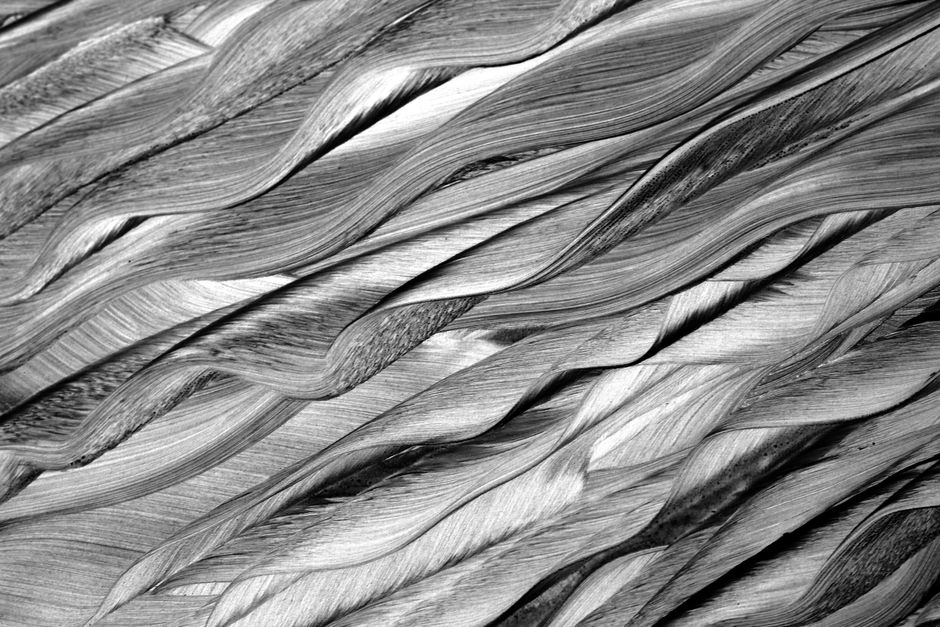
The stock Tesla interior is clean but plain, and the glossy black console is a fingerprint magnet. Two popular fixes both promise a carbon-fiber look: real carbon fiber replacement parts, and carbon-pattern vinyl wrap. They cost very different amounts and age very differently. Here is how to choose.
The Core Difference
| Real Carbon Fiber | Carbon-Look Vinyl Wrap | |
|---|---|---|
| What it is | Molded carbon fiber parts | Printed adhesive film |
| Cost | Higher | Lower |
| Look up close | Genuine 3D weave | Convincing from a distance |
| Durability | Years, rigid | 2 to 4 years, can lift at edges |
| Reversible | Swap the part back | Peel off |
| Install | Snap-on or replace | Heat and stretch |
When Real Carbon Fiber Wins
Real parts look right under close inspection and never peel. They make the most sense on small, high-visibility pieces where quality shows:
- Carbon fiber side mirror covers: snap-on, no adhesive, genuine weave.
- Carbon fiber rear spoiler: a structural styling piece where real material matters.
These cost more, but they are permanent, rigid, and do not degrade in a hot cabin.
When Vinyl Wrap Wins
Wrap is the budget, big-coverage option. A pre-cut center console wrap kit covers the console, dash trim, and door panels for a fraction of the cost of replacement parts, and it doubles as protection for the glossy black plastic that scratches and smudges so easily.
Wrap is the better call when you want to:
- Cover large flat areas cheaply
- Protect the factory piano-black trim
- Change the look without commitment (it peels off)
Heat: The Tesla-Specific Catch
A parked Tesla cabin gets hot, and heat is the enemy of cheap vinyl. Low-quality wrap lifts at the edges and bubbles. If you wrap, buy a quality cast vinyl and clean the surface thoroughly first. Real carbon parts do not have this problem.
Our Recommendation
- Small, close-up pieces (mirrors, spoiler): spend on real carbon fiber.
- Large flat surfaces (console, dash, doors): wrap, and treat it as protection plus looks.
- Best of both: real carbon on the parts people touch and inspect, vinyl on the broad panels.
For exterior styling beyond the interior, see our exterior aesthetics guide.
Last updated: June 2026
TeslaParts may earn a commission if you buy through links on this page, at no extra cost to you. Our editorial work is research-based unless a page documents a hands-on test.
Frequently Asked Questions
Is real carbon fiber or vinyl wrap better for a Tesla interior?
It depends on budget and goal. Real carbon fiber trim looks and feels premium but costs more; vinyl wrap is far cheaper, reversible, and comes in many finishes, but it is a film rather than a structural material. The guide above breaks down cost, durability, and look for each.
Related Products
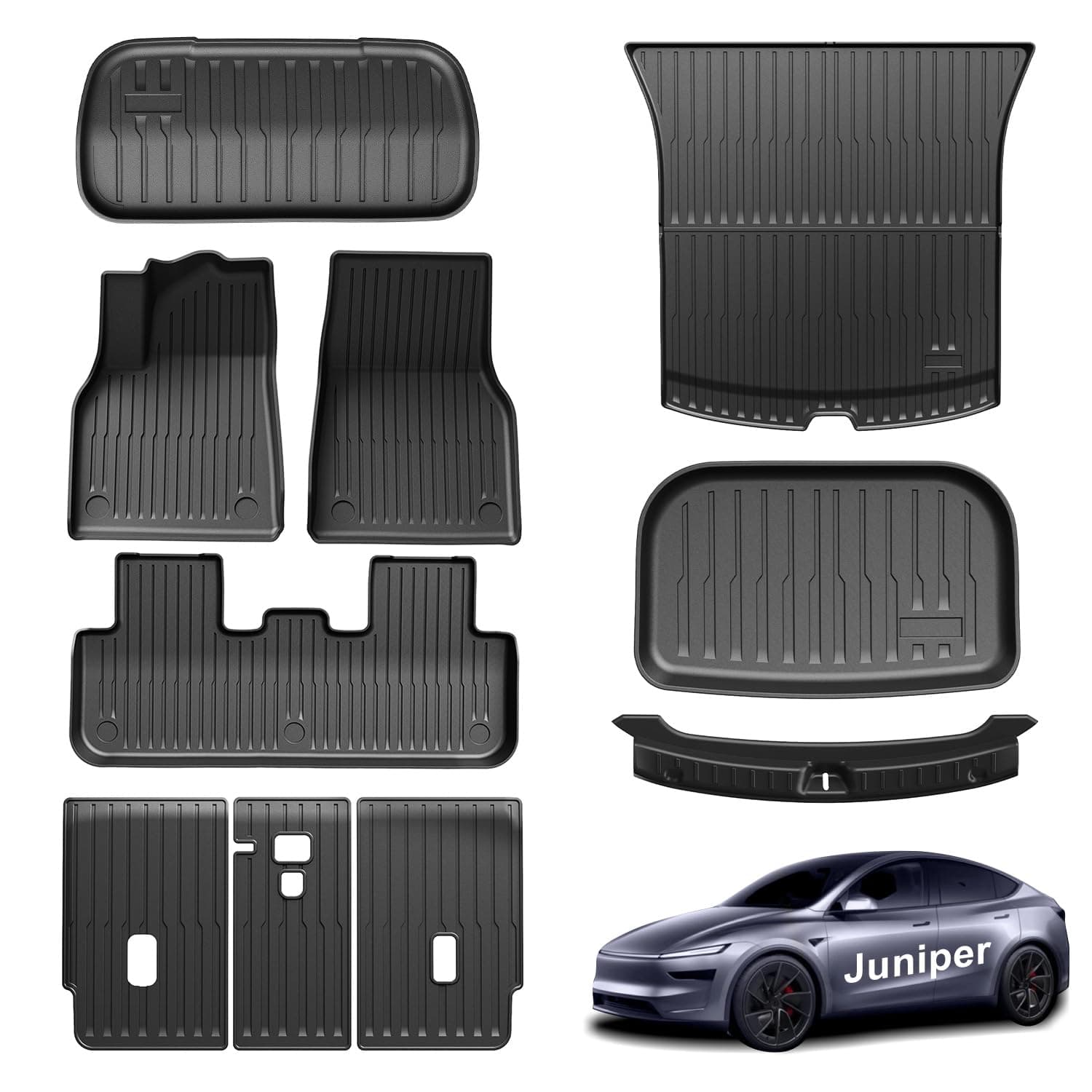
WeatherPro
All-Weather TPE Floor Mats (Full Set)
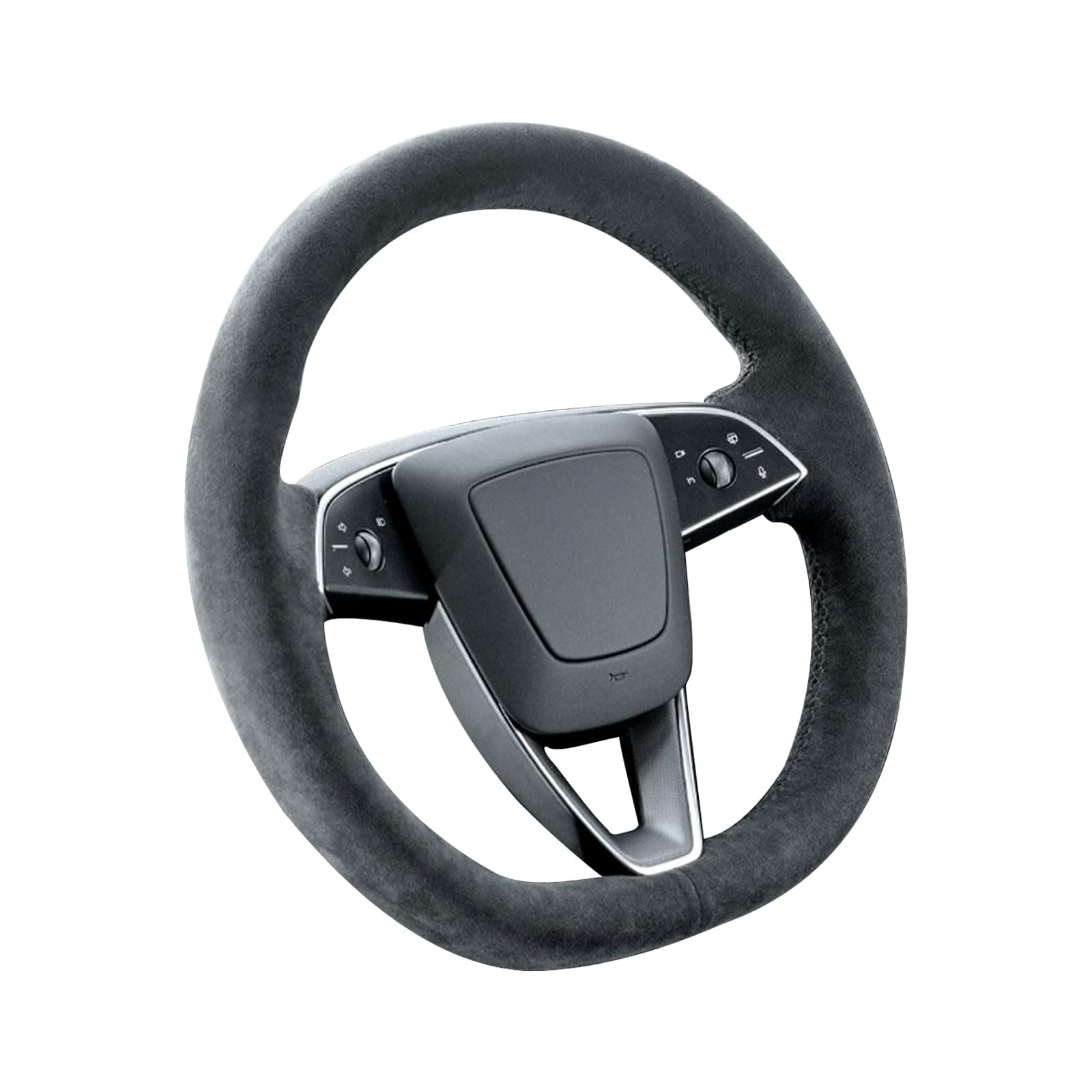
TouchPro
Alcantara Steering Wheel Cover

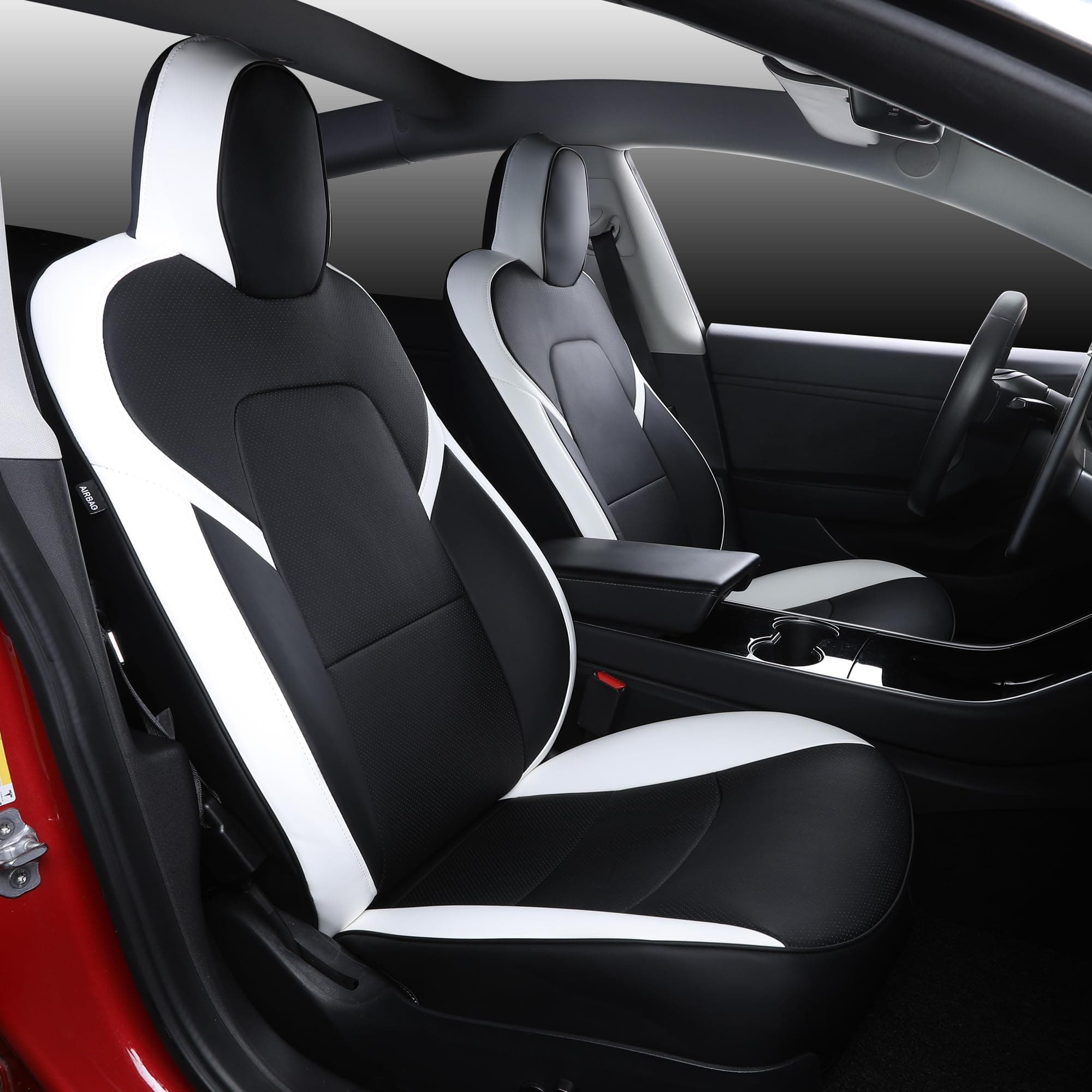
EcoInteriors
Backseat Kick Mats (Set of 2)
EcoInteriors