Guide
Paint Protection Film (PPF) Buying Guide
Everything you need to know about PPF for Tesla. Self-healing technology, coverage options, and installation.

Paint Protection Film is the single best way to keep your Tesla's paint looking factory-fresh. Tesla's water-based paint is famously thin and soft, so rock chips on the frunk edge and swirl marks on the doors show up fast. PPF is a clear, self-healing urethane skin that takes those hits instead of your clear coat. This guide covers coverage tiers, what to look for, and whether to wrap it yourself or pay a pro.
What PPF Actually Protects Against
PPF is a thermoplastic urethane (TPU) film applied over painted panels — a physical barrier roughly 8 mil thick, not a thin chemical layer like a coating. It guards against:
- Rock chips and road debris
- Scratches and swirl marks
- UV fade and oxidation
- Bird droppings, bug acid, and tree sap
It won't stop a curb scrape or a dent, but for the daily abrasion that dulls a finish, nothing else comes close.
Coverage Tiers Compared
The biggest decision is how much of the car to cover.
| Coverage Tier | What It Protects | Price Range | DIY-able? |
|---|---|---|---|
| Partial Front | Hood, fenders, mirrors, bumper (~30%) | Lower-cost professional tier | Yes, with patience |
| Full Front End | Adds full hood, A-pillars, headlights (~60%) | Premium | Difficult |
| Full Body | Every painted panel (100%) | Highest investment | No, pro only |
Partial front suits highway commuters worried about stone chips. Full front is the sweet spot for most owners. Full body makes sense for show cars and leased Teslas you want to return mint.
PPF vs Ceramic Coating vs Vinyl Wrap
These three get confused constantly. PPF self-heals and absorbs impacts. Ceramic coating is a thin sealant that adds gloss and water beading but no impact resistance — many owners layer ceramic over PPF. Vinyl wrap is cosmetic color change with minimal protection. If the goal is keeping paint intact, PPF is the answer. For the cosmetic side, see our Tesla exterior aesthetics guide.
Self-Healing TPU
Modern films use a self-healing top coat: light scratches and swirl marks vanish when the surface is warmed by sunlight, a heat gun, or warm water. This is what separates real PPF from cheap PVC films that yellow and crack. Quality TPU stays clear for 5–10 years.
What to Look For
- Self-healing top coat so minor marks disappear with heat
- Hydrophobic finish that sheds water and dirt
- 8 mil minimum thickness for genuine chip resistance
- A 10-year warranty against yellowing and delamination
- Gloss or matte finish — gloss deepens the paint; matte gives a stealth satin look that suits darker Teslas
A self-healing PPF kit with computer-cut panels for Model 3, Y, S, and X is the right starting point — the patterns map to each car, so you never trim film by hand against your paint.
DIY vs Professional Install
Pre-cut kits are the more approachable DIY tier and ship as computer-cut panels matched to your exact model, so edges line up without freehand cutting. Bulk film off a roll is cheaper per square foot but demands a plotter and real skill. Either way this is an Advanced job: the front bumper and mirror caps have compound curves that fight the film, and one trapped bubble means re-laying a panel. Budget a day or two in a dust-free garage.
Professional installation is the premium route and buys flawless edge wrapping, proper paint decontamination, and a labor warranty. For a full front or full body, pay the pro. Our Tesla detailing and cleaning guide covers the prep that makes any film last longer.
Before You Buy
- Decontaminate and clay the paint first — film locks in whatever is underneath
- Confirm the kit lists your exact model and year
- Let new cars cure 30 days before wrapping fresh paint
- Install indoors; cold film cracks and dust ruins edges
Last updated: June 2026
TeslaParts may earn a commission if you buy through links on this page, at no extra cost to you. Our editorial work is research-based unless a page documents a hands-on test.
Frequently Asked Questions
Does PPF need to be installed professionally?
It depends on coverage. Partial front kits are DIY-able with patience, but it is an advanced job because the bumper and mirror caps have compound curves and one trapped bubble means re-laying a panel. For a full front or full body, pay a professional, which buys flawless edge wrapping, paint decontamination, and a labor warranty.
How much does it cost to PPF a Tesla?
Partial-front coverage is the lower-cost professional option, full-front coverage is a mid-to-premium project, and full-body coverage is the largest investment. Pre-cut DIY kits usually cost less than professional installation, but confirm current quotes and material coverage before deciding.
What is the difference between PPF, ceramic coating, and vinyl wrap?
PPF is a thick self-healing urethane film that absorbs impacts and stops rock chips. Ceramic coating is a thin sealant that adds gloss and water beading but no impact resistance, and many owners layer it over PPF. Vinyl wrap is a cosmetic color change with minimal protection.
What should I look for when buying PPF for a Tesla?
Look for a self-healing top coat, a hydrophobic finish, at least 8 mil thickness for genuine chip resistance, and a 10-year warranty against yellowing and delamination. Choose a computer-cut kit that lists your exact model and year, and decide between gloss for deeper paint or matte for a stealth satin look.
Related Products
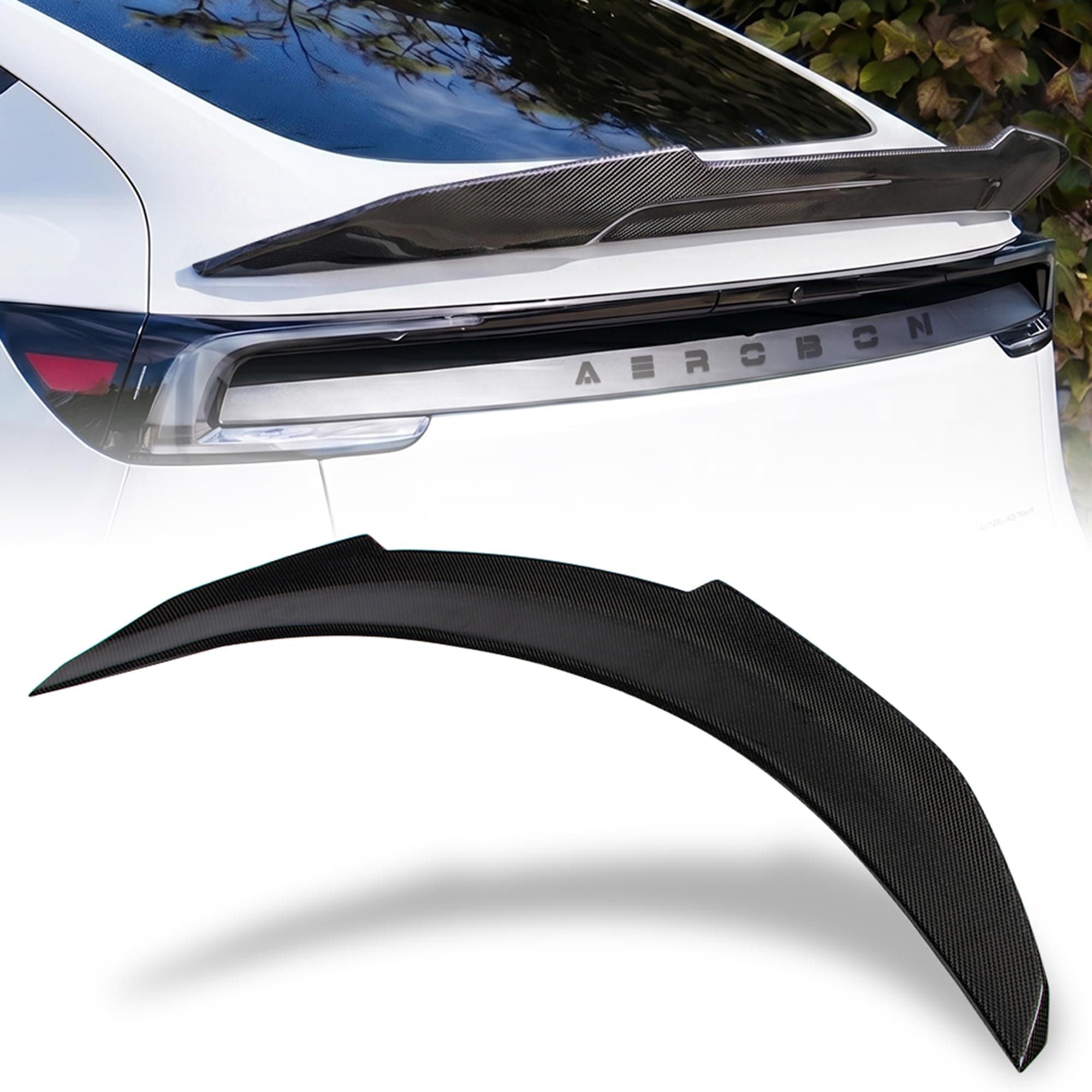
TSMotors
Carbon Fiber Rear Spoiler
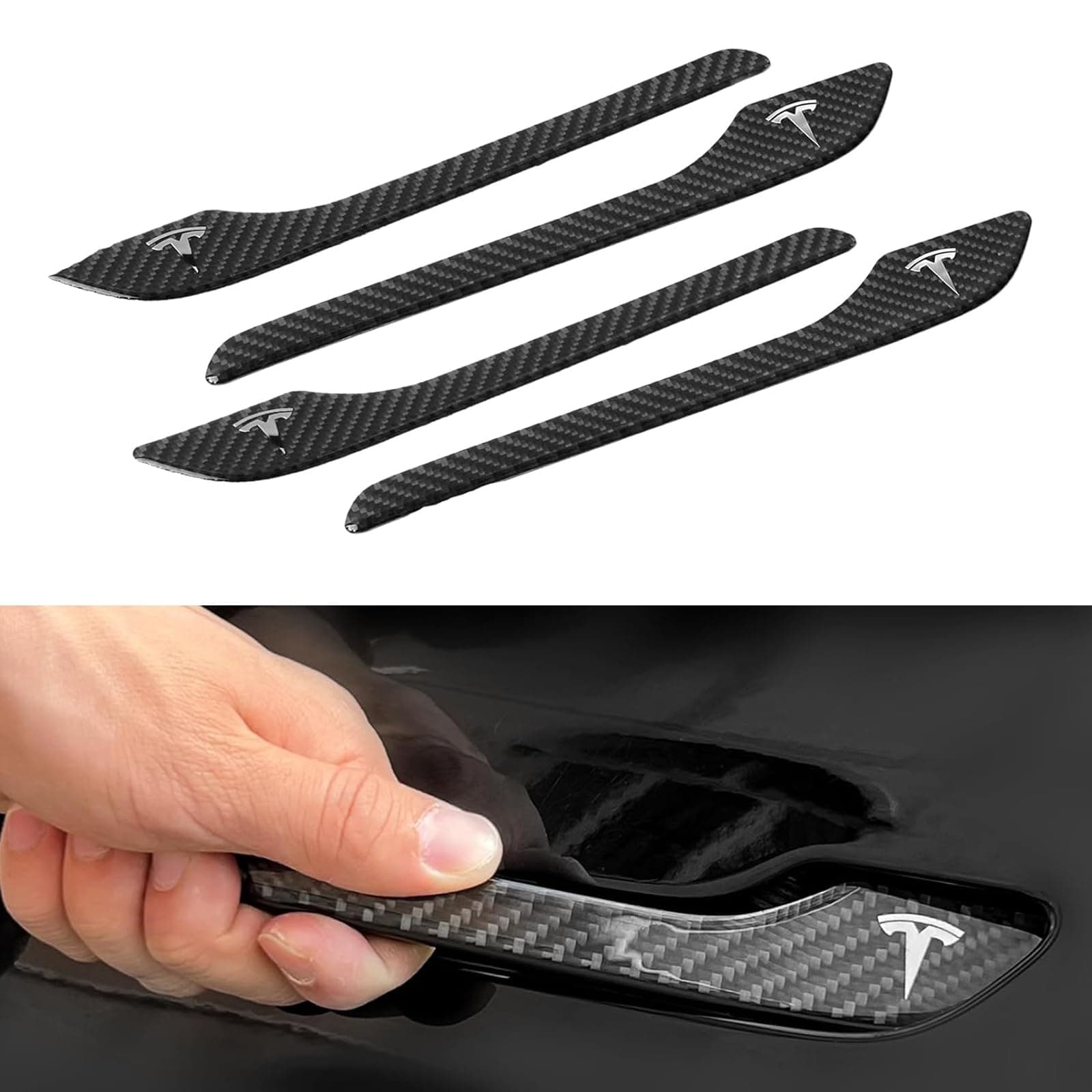
TSMotors
Carbon Fiber Side Mirror Covers
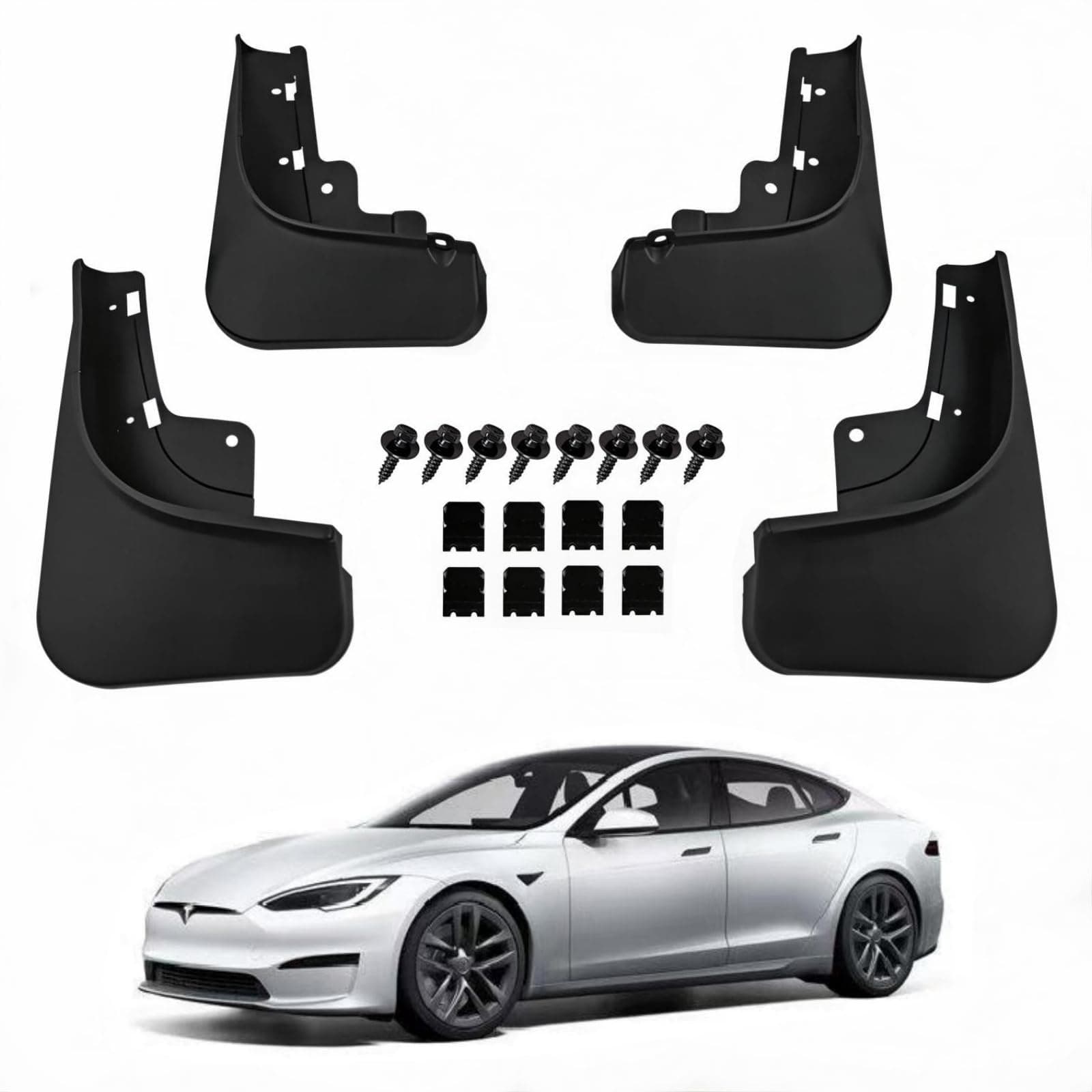
GuardPro
No-Drill Mud Flaps (Set of 4)
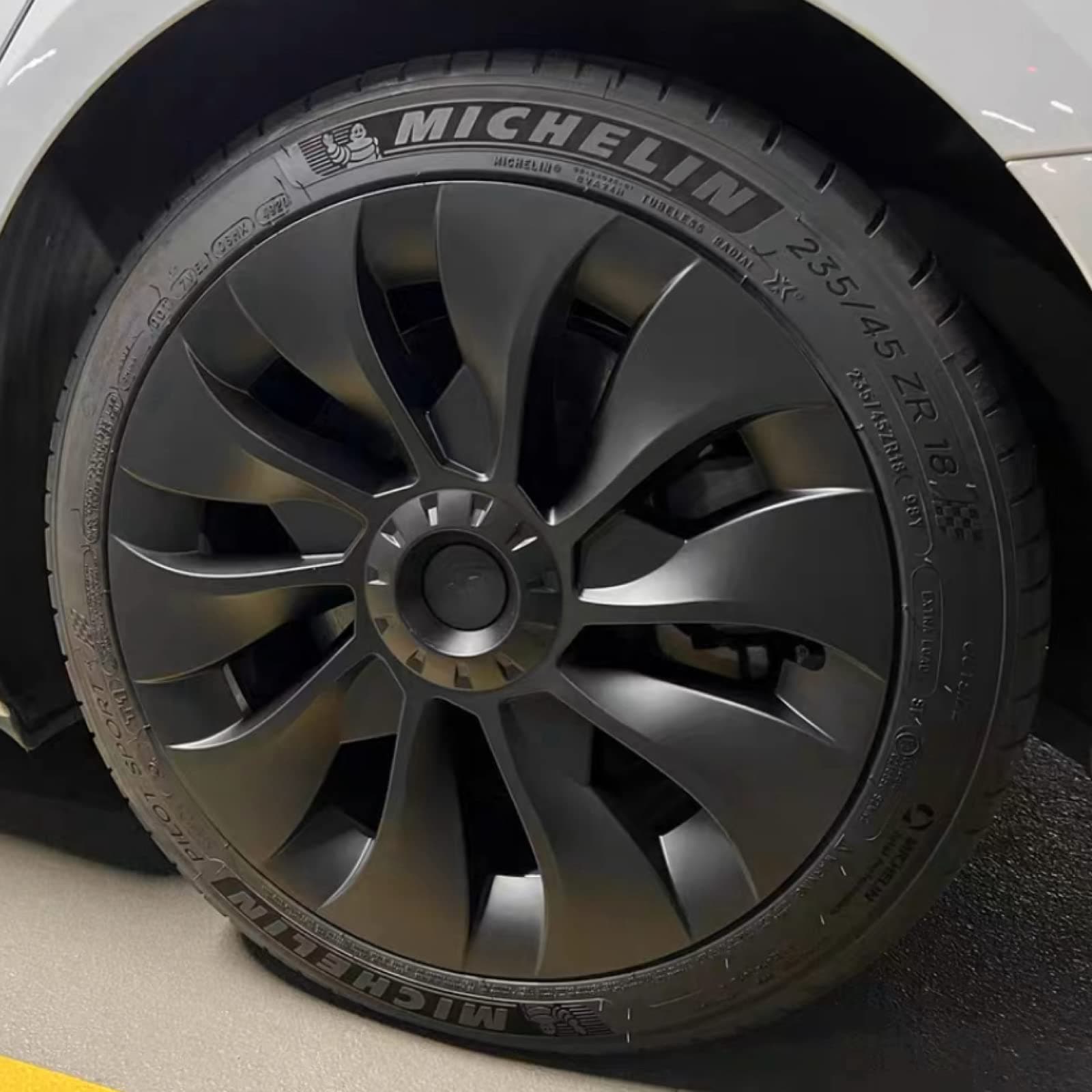
TeslaStyle